Chapter 37 - Substrate Mapping to Inform Ecosystem Science and Marine Spatial Planning around the Main Hawaiian Islands

Shallow coral reef and seamount-based ecosystems associated with Pacific islands and atolls host a high and abundant biodiversity, yet many of the ecosystems are threatened by a range of climatic, oceanographic, and anthropogenic stresses. In these types of environments, the morphology and composition of the seabed have been shown to be useful proxies/surrogates for the distribution and abundance of benthic organisms, as well as the other organisms and communities that depend on them.
Antipatharians of the Mesophotic Zone: Four Case Studies

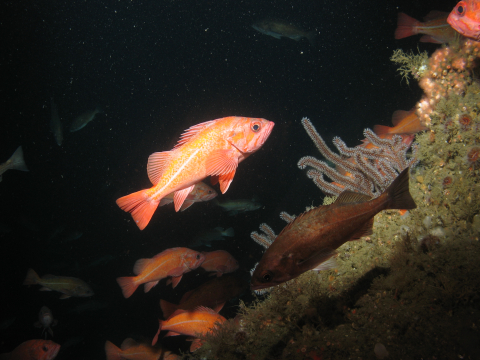
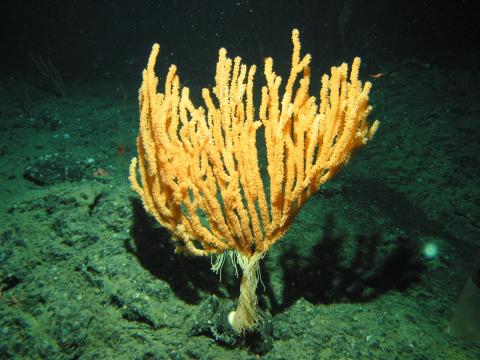
A review of taxonomic and ecological studies for shallow and mesophotic antipatharians is presented for four regionally based case studies, three in the tropics (1) Central Indo-Pacific, plus adjacent sections of the Western Indo-Pacific, (2) Eastern Indo-Pacific (primarily Hawaiʻi), and (3) the Caribbean Sea) and one at temperate latitudes in the Mediterranean Sea and adjacent sections of the Northeast Atlantic. 

Morphological and Molecular Characterization of a New Species of Black Coral from Elvers Bank, North-Western Gulf of Mexico (Cnidaria: Anthozoa: Hexacorallia: Antipatharia: Aphanipathidae: Distichopathes)

In 2016, a Draft Environmental Impact Statement proposed the expansion of the current Flower Garden Banks National Marine Sanctuary boundaries to incorporate an additional 15 reefs and banks, including Elvers Bank. Antipatharians (black corals) were collected within the proposed expansion sites and analysed using morphological and molecular methods. A new species, Distichopathes hickersonae, collected at 172 m depth on Elvers Bank, is described within the family Aphanipathidae.

Subscribe to Mesophotic coral ecosystem